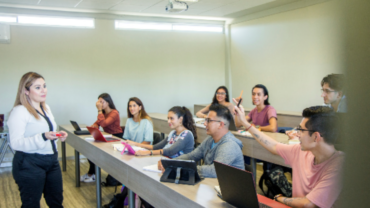
As part of the HOPE at SDSU initiative, the SPI team has recently launched HOPE Pilots to test implementation of the HOPE Framework at a university level. Consistent with Implementation Science, the first of these pilots occurred during the 2024-2025 academic year in a social work classroom, conducted by a HOPE-enthusiast instructor. “HOPE” stands for Healthy Outcomes form Positive Experiences,…
Black and Latino youth are significantly overrepresented in the juvenile justice system. In San Diego County, Black youth are incarcerated at 13 times the rate of white youth. These disparities demand systemic change. A new issue brief, “Pathways to Equity: An Innovative Approach to Juvenile Justice Reform,” developed by SPI Juvenile Justice intern Jessica Laing and Program Manager Yvonne Epps, urges…
During the 2025 Statewide Prevention Convening, Dr. Bob Sege drew connections between the Integrated Core Practice Model (ICPM) and the Healthy Outcomes from Positive Experiences (HOPE) Framework. ICPM is California’s Blueprint for systems and practice change, and many counties across the state are actively integrating it across their human services foundational training and evidence-based practices. A major part of the…
Young adults ages 18-25 experience a significant period of identity development and expression that is either nurtured or hindered by their proximity to positive community resources (PCRs) (Child Trends, 2025). For young Black individuals, new research has highlighted the effects of racial inequities on their ability to reliably access these PCRs. Within the broader context of positive experiences for young…
Financial worries are a potential hindrance to full engagement of staff and students in the workforce. Children, youth and families served by the nonprofit sector are counting on a fully engaged, authentic, centered, and innovative approach to receiving needed services and support. The Social Policy Institute is working to address barriers and strengthen the nonprofit sector workforce by helping organizations…
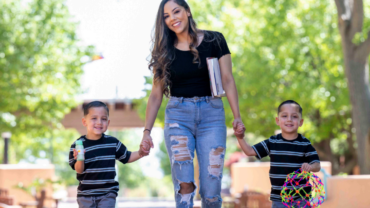
The needs of students are influenced by their intersectional identities, and for a significant number of students in the United States—nearly 1 in 5—that identity includes being a parent. New research has found that students who are also parents require specific supports to successfully care for their children and perform well academically. Researchers implemented the New Mexico College Student Experience…
In the previous installment of our HOPE Building Blocks series, we explored the importance of safe, stable, and equitable environments. This month, we will highlight the Emotional Growth Building Block. Emotional growth involves increased understanding and ability to manage emotions effectively. It encompasses self-awareness, the ability to identify and label feelings, self-regulation, which is the ability to control reactions and…
In the previous installment of our HOPE Building Blocks series, we explored Social and Civic Engagement, which emphasizes the importance of being an active participant in one’s community. This type of engagement builds empathy for others, encourages feelings of belonging, and leads to robust support systems. This month, we will highlight the Environment Building Block. Specifically, HOPE highlights the importance…